Introduction
Commodities are natural resources, goods, or raw materials that are uniform in nature (although there may be differences in quality). Essentially, these are used to create finished goods and services, such as wheat, corn, petrol, diesel, natural gas, precious metals (platinum, palladium, silver, and gold), and base metals. Commodities are traded in markets irrespective of their origin. For example, a person living in India who consumes petrol or natural gas for vehicles does not know the origin of these commodities; they simply want to fulfil their needs.
“From the taste of wheat, it is not possible to tell who produced it—a Russian serf, a French peasant, or an English capitalist.”
- Karl Marx
There are four key costs of owning a physical commodity: financing, transportation, storage, and insurance. Brent crude oil, steel, WTI crude oil, soybeans, iron, corn, gold, aluminum, copper, and silver are among the top ten traded commodities.
Market Structure
There are two types of markets based on transaction mechanisms:
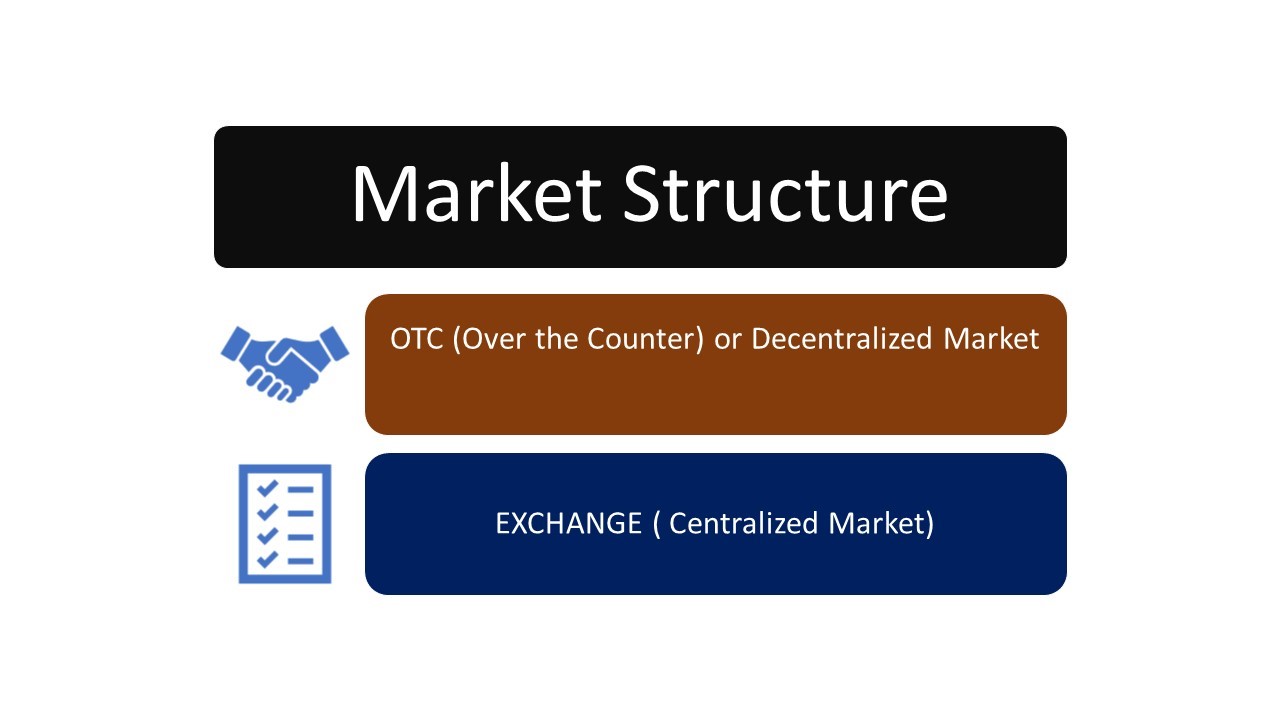
- OTC (Over the Counter): A market where transactions take place directly between two parties without a broker or any third party. It is also known as a decentralized market.
- Exchange Market: A market where transactions occur between two or more parties through a broker or exchange. It is also known as a centralized market.
In the commodity market, transactions take place in both exchange and OTC (Over the Counter) markets.
Types of Commodities
There are two types of commodities:
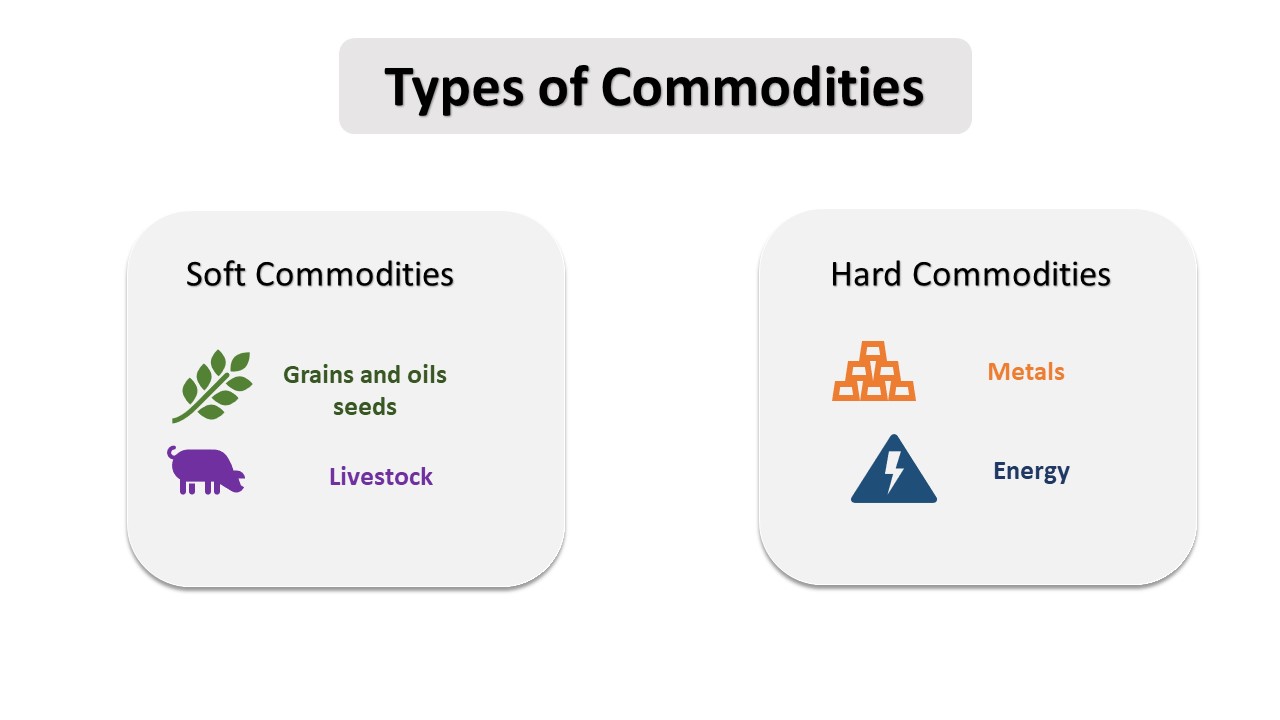
- Soft Commodities
- Hard Commodities
Soft commodities include agricultural products such as grains and oilseeds (lumber, cotton, sugar, coffee, and cocoa), and also livestock such as beef and pork (lean hogs). These are also referred to as “softs.” Most livestock and agricultural commodities are traded on the Chicago Mercantile Exchange (CME). In India, commodities are traded on the Multi Commodity Exchange of India (MCX).
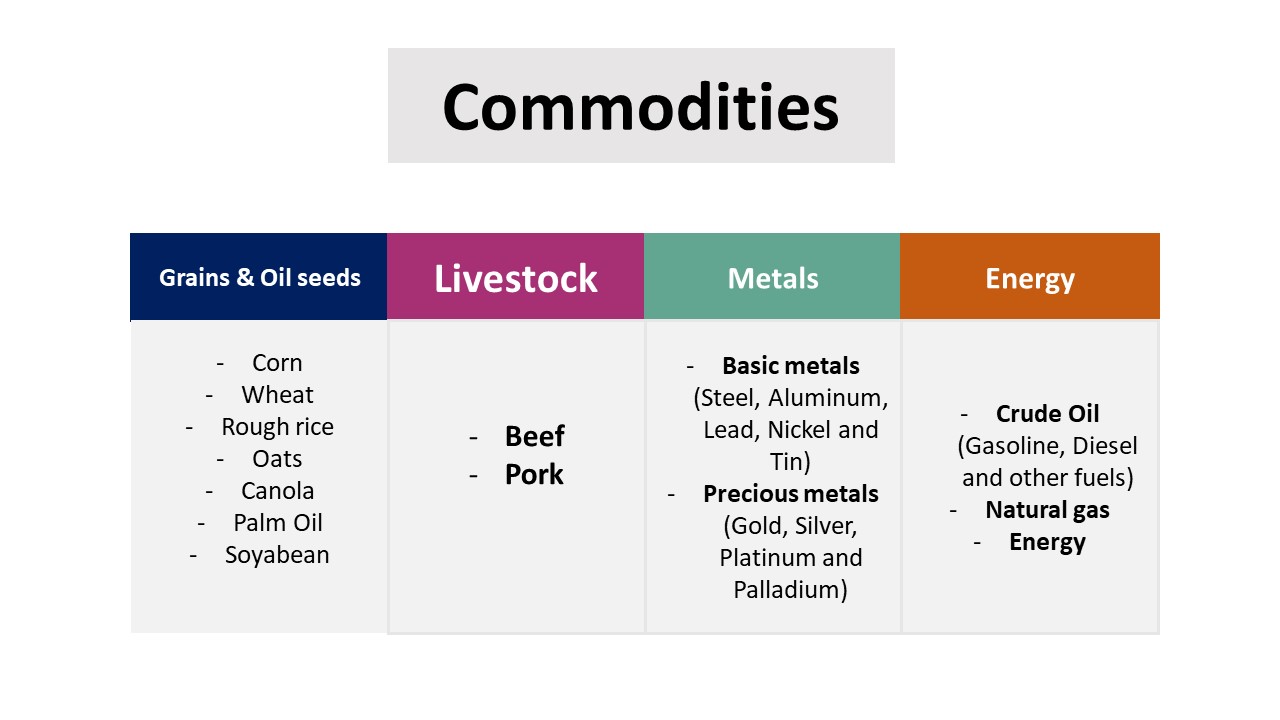
Hard commodities include base metals (steel, copper, aluminum, lead, nickel, and tin), precious metals (gold, silver, platinum, and palladium), and energy-related commodities such as crude oil (gasoline, diesel, and other fuels), natural gas, and electricity. These commodities are mostly traded on CME, New York Mercantile Exchange (NYMEX), Intercontinental Exchange (ICE), London Metal Exchange (LME), and European Energy Exchange (EEX).
Spot and Derivative Market
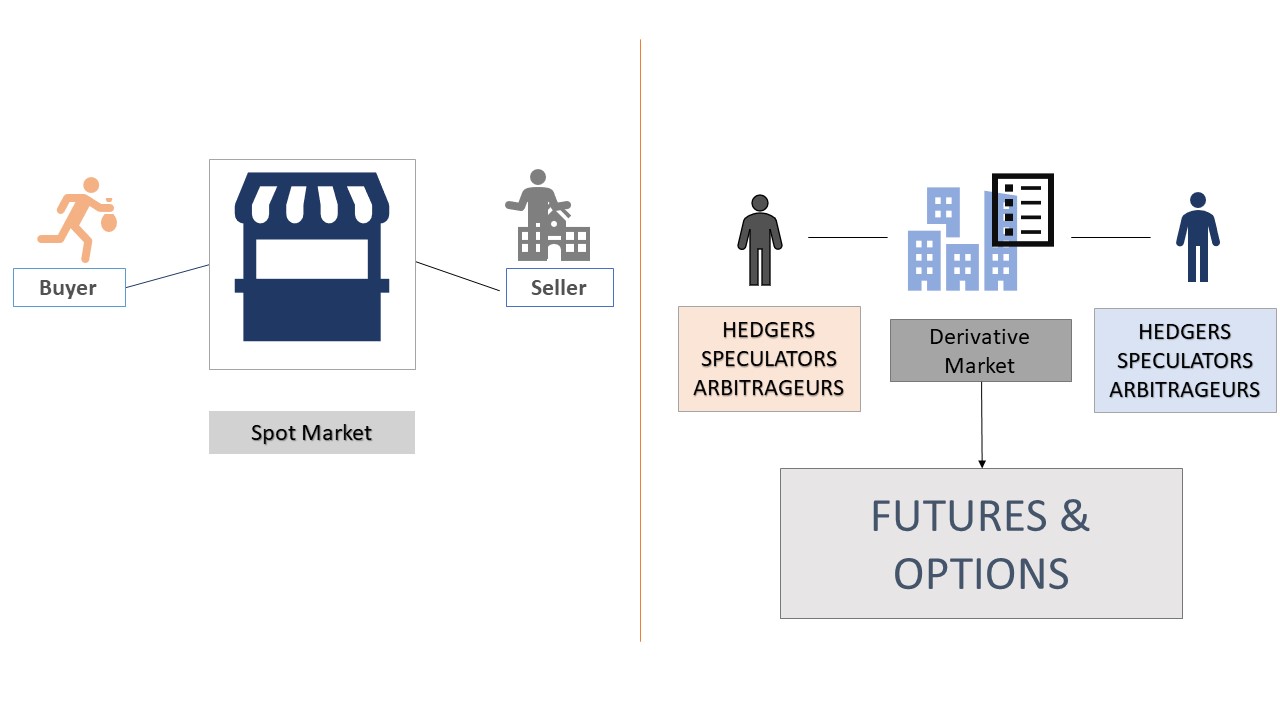
Commodities are traded in both spot and derivative markets. In the spot market, transactions are settled immediately. In derivative markets, traders (hedgers, arbitrageurs, and speculators) trade commodities to earn profits through contracts such as futures and options. Commodity futures prices are derived from the spot market.
Carry returns
- Convenience
- Coupons
- Dividends
Carry costs
- Financing
- Transportation
- Storage
- Insurance
Powered by Froala Editor